
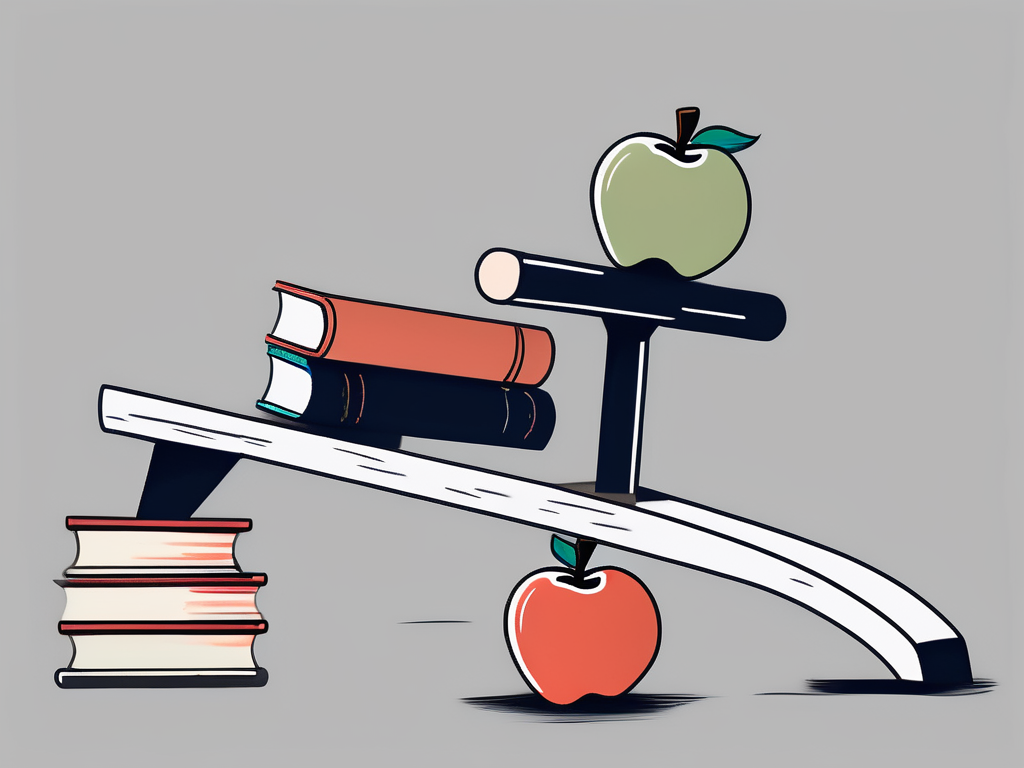
Teaching is a noble profession that plays a crucial role in shaping the future of our society. However, behind the scenes, many teachers are struggling to maintain a healthy work-life balance. A recent study has revealed that a staggering 8 out of 10 teachers are in desperate need of help. Let’s delve into the various factors contributing to this crisis and explore the urgent need for better support and resources.
1. Long working hours
One of the primary reasons for the work-life balance crisis among teachers is the long working hours they are expected to put in. From planning lessons to grading assignments, teachers often find themselves working well beyond the regular school hours. This not only leaves them with little time for personal activities but also leads to exhaustion and burnout.
Moreover, the demands of the job extend beyond the classroom. Teachers are required to attend meetings, workshops, and parent-teacher conferences, further adding to their workload. The constant pressure to meet deadlines and deliver quality education takes a toll on their overall well-being.
2. High levels of stress
Teaching can be an incredibly stressful profession. Teachers are responsible for the academic growth and emotional well-being of their students. They face the challenge of catering to the diverse needs of their students while ensuring they meet the curriculum requirements. This constant juggling act can lead to high levels of stress and anxiety.
Additionally, teachers often face external pressures from parents, administrators, and standardized testing. The fear of not meeting expectations and the constant need to prove their worth can be overwhelming. This chronic stress not only affects their mental health but also spills over into their personal lives, making it difficult to switch off from work.
3. Lack of time for personal life
Teachers are known for their dedication and commitment to their students. However, this often comes at the expense of their personal lives. The demanding nature of the job leaves little time for teachers to engage in activities they enjoy or spend quality time with their loved ones.
Many teachers find themselves working during weekends and holidays, further eroding the boundaries between work and personal life. This lack of time for self-care and relaxation can lead to feelings of resentment and dissatisfaction, ultimately impacting their overall well-being.
4. Pressure to meet deadlines
Deadlines are an integral part of a teacher’s life. From submitting lesson plans to grading assignments, teachers are constantly under pressure to meet deadlines. This can create a sense of urgency and anxiety, leaving little room for flexibility and creativity in their teaching methods.
The pressure to meet deadlines can also lead to rushed decision-making and compromised quality of work. Teachers may find themselves sacrificing their own well-being to ensure they meet the expectations set by their school or district.
5. Difficulty switching off from work
Teaching is not a 9-to-5 job that can be easily left behind at the end of the day. Teachers often find it challenging to switch off from work, even when they are physically away from the classroom. The constant thoughts about lesson plans, student progress, and upcoming tasks can consume their mental space.
This inability to disconnect from work can have detrimental effects on their mental health and overall happiness. It becomes increasingly difficult to fully engage in personal activities and relationships when work-related thoughts constantly intrude.
6. Impact on mental health
The work-life balance crisis among teachers takes a significant toll on their mental health. The combination of long working hours, high levels of stress, and the inability to switch off from work can lead to anxiety, depression, and burnout.
Teachers may experience feelings of overwhelm, helplessness, and emotional exhaustion. The constant pressure to perform and meet expectations can create a toxic cycle that negatively impacts their mental well-being. It is crucial for teachers to have access to mental health support and resources to help them navigate these challenges.
7. Strain on relationships
The work-life balance crisis not only affects teachers individually but also puts a strain on their relationships. The long hours and emotional demands of the job can leave teachers with little energy or time to invest in their personal relationships.
Partners, family members, and friends may feel neglected or disconnected due to the teacher’s demanding schedule. This can lead to feelings of resentment and strain on the teacher’s support system. It is essential for teachers to find a balance that allows them to prioritize their relationships alongside their professional responsibilities.
8. Need for better support and resources
Given the alarming statistics and the detrimental effects of the work-life balance crisis on teachers, it is evident that urgent action is required. Teachers need better support and resources to help them maintain a healthy work-life balance and thrive in their profession.
Schools and educational institutions should prioritize the well-being of their teachers by implementing policies that promote work-life balance. This includes reasonable working hours, adequate planning time, and access to professional development opportunities.
Furthermore, providing teachers with resources such as mental health support, counseling services, and wellness programs can go a long way in addressing the challenges they face. It is crucial for the education system to recognize the importance of supporting teachers holistically, not just academically.
In conclusion, the work-life balance crisis among teachers is a pressing issue that needs immediate attention. The long working hours, high levels of stress, and lack of time for personal life are taking a toll on their mental health and relationships. It is imperative for schools and educational institutions to prioritize the well-being of teachers by providing better support and resources. Only by addressing this crisis can we ensure that teachers can continue to inspire and educate future generations without sacrificing their own well-being.
Elevate Your Teaching Career with IPGCE
If you’re among the 8 out of 10 teachers facing a work-life balance crisis, it’s time to empower yourself with the International Postgraduate Certificate in Education (iPGCE). IPGCE is the beacon of support you need, offering a Level 7 qualification that not only enhances your credentials but also propels your career forward. Embrace the opportunity to join a global network of educators, gain a deeper understanding of international curricula, and enjoy the flexibility of online study that fits around your demanding schedule. Don’t let inadequate qualifications or isolation impede your professional growth. Take the first step towards a more balanced and fulfilling teaching career. Join the UK’s #1 Teacher Training Course today and witness the transformation in your professional and personal life.