
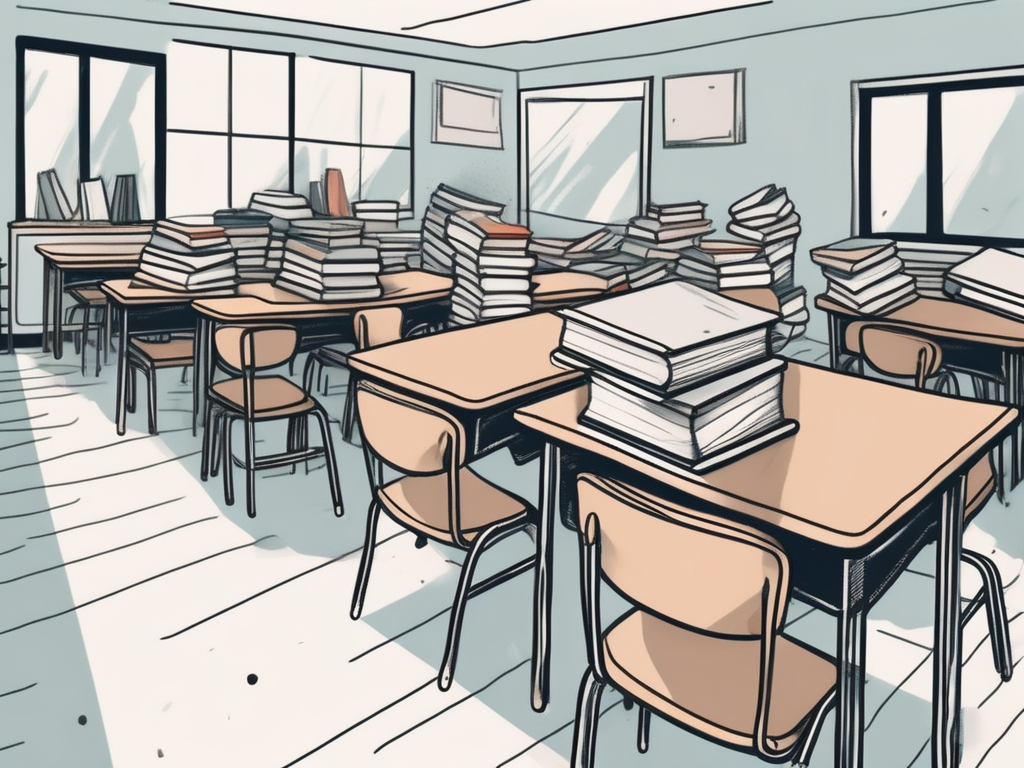
Overcrowded classrooms have become a pressing issue in today’s education system. With 8 out of 10 teachers struggling to manage the increasing number of students in their classrooms, it is clear that this crisis needs immediate attention. In this article, we will explore the various challenges that teachers face in overcrowded classrooms and the detrimental effects it has on both teachers and students.
1. Lack of individual attention
One of the major challenges in overcrowded classrooms is the lack of individual attention that teachers can provide to each student. With a large number of students vying for the teacher’s attention, it becomes difficult to address the unique needs and learning styles of every student. This lack of individual attention can hinder the academic progress of students and leave them feeling neglected.
Furthermore, students who require additional support or have special educational needs may not receive the necessary assistance due to the teacher’s limited capacity. This can lead to a widening achievement gap and hinder the overall academic growth of the class.
2. Limited resources for each student
In overcrowded classrooms, resources such as textbooks, workbooks, and other learning materials are often insufficient to meet the needs of every student. With limited resources, students may not have access to the necessary tools to enhance their learning experience. This can hinder their ability to fully engage with the curriculum and reach their full potential.
Additionally, overcrowded classrooms may lack essential technological resources, such as computers or tablets, which are increasingly important in today’s digital age. Without access to these resources, students may miss out on valuable learning opportunities and fall behind their peers.
3. Difficulty maintaining classroom discipline
Managing classroom discipline becomes increasingly challenging in overcrowded classrooms. With a larger number of students, it becomes harder for teachers to maintain order and ensure a conducive learning environment. Students may feel less accountable for their behavior, leading to disruptions and distractions that hinder the learning process for the entire class.
Moreover, the lack of individual attention mentioned earlier can contribute to behavioral issues. Students who feel neglected or misunderstood may act out, further exacerbating the discipline challenges faced by teachers. This can create a cycle of misbehavior and disciplinary issues that are difficult to break.
4. Increased stress levels for teachers
Overcrowded classrooms can significantly increase the stress levels experienced by teachers. The sheer number of students to manage, combined with the challenges of providing individual attention and maintaining discipline, can be overwhelming. Teachers may find themselves constantly multitasking and struggling to meet the diverse needs of their students.
The increased stress levels can have a detrimental impact on teachers’ mental and physical well-being. It can lead to burnout, fatigue, and a decrease in job satisfaction. This, in turn, can affect the quality of teaching and the overall learning experience for students.
5. Impact on student learning
The overcrowding of classrooms directly impacts student learning. With limited individual attention, insufficient resources, and challenges in maintaining discipline, students may struggle to fully engage with the curriculum. This can result in lower academic achievement and hinder their overall educational progress.
Furthermore, overcrowded classrooms may limit opportunities for collaborative learning and group work, which are essential for developing important social and communication skills. Students may miss out on valuable interactions and peer-to-peer learning experiences, which can have long-term effects on their personal and academic growth.
6. Struggle to meet diverse student needs
Every student is unique, with different learning styles, abilities, and needs. In overcrowded classrooms, it becomes increasingly difficult for teachers to cater to the diverse needs of their students. Differentiating instruction and providing personalized support becomes a daunting task when faced with a large number of students.
Students who require additional support or have special educational needs may not receive the necessary accommodations and modifications in an overcrowded classroom. This can hinder their progress and limit their opportunities for success. Additionally, gifted students may not receive the challenge and enrichment they require to reach their full potential.
7. Longer grading and lesson planning hours
Overcrowded classrooms can significantly increase the workload of teachers. With a larger number of students, grading assignments and providing timely feedback becomes a time-consuming task. Teachers may find themselves spending long hours outside of the classroom, grading papers and planning lessons.
Moreover, the need to differentiate instruction and cater to the diverse needs of students requires additional time for lesson planning. Teachers must create engaging and inclusive lessons that address the varying abilities and learning styles of their students. This can lead to increased stress and exhaustion, further contributing to the challenges faced by teachers in overcrowded classrooms.
8. Burnout and high turnover rates among teachers
The combination of the aforementioned challenges can lead to burnout and high turnover rates among teachers in overcrowded classrooms. The constant pressure, lack of support, and overwhelming workload can take a toll on teachers’ mental and emotional well-being.
When teachers experience burnout, it not only affects their own job satisfaction and well-being but also impacts the quality of education they provide to their students. High turnover rates can disrupt the continuity of learning and negatively affect the overall school environment.
In conclusion, overcrowded classrooms present numerous challenges for teachers and students alike. The lack of individual attention, limited resources, difficulty in maintaining discipline, increased stress levels, impact on student learning, struggle to meet diverse student needs, longer grading and lesson planning hours, and high turnover rates among teachers all contribute to this crisis. It is crucial for policymakers and educational institutions to address this issue and provide adequate support and resources to ensure a quality education for all students.
Transform Your Teaching Career with IPGCE
Don’t let overcrowded classrooms stifle your potential. Join the ranks of educators who are enhancing their qualifications and career prospects with the International Postgraduate Certificate in Education (iPGCE). Whether you’re aiming for Qualified Teacher Status or seeking to deepen your professional development, the iPGCE is your gateway to overcoming barriers and achieving success in the global education arena. Embrace the opportunity for career progression, increased salary, and a vibrant professional community. With flexible online study options, you can balance your work commitments while preparing to meet the diverse needs of students in any classroom setting. Take the first step towards becoming an adaptable, well-connected, and highly qualified educator. Join the UK’s #1 Teacher Training Course today and be part of the solution to the overcrowded classroom crisis.