
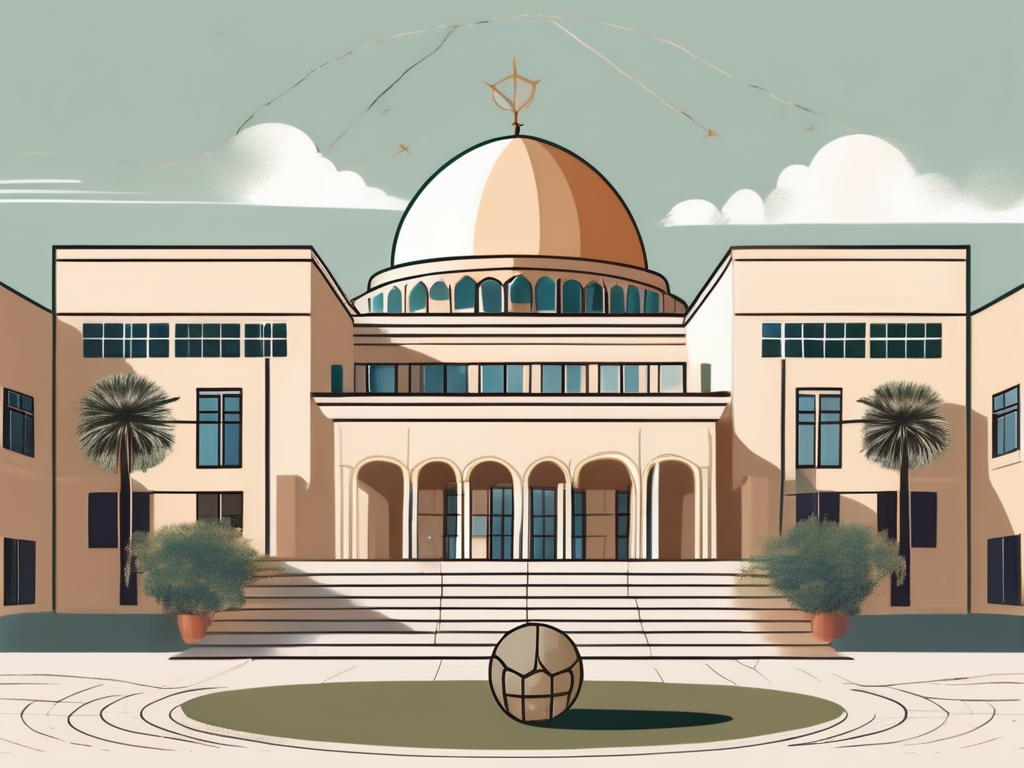
Embarking on a teaching career in international schools can be an exciting and rewarding journey. One of the countries that offer a wealth of opportunities in this field is Morocco. This North African nation is known for its rich history, diverse culture, and high-quality international schools. However, to secure a teaching position in these prestigious institutions, certain qualifications are essential. This comprehensive guide will walk you through the necessary qualifications and skills you need to teach in international schools in Morocco.
Academic Qualifications
First and foremost, let’s delve into the academic qualifications required. As with most teaching jobs around the globe, a bachelor’s degree in education or a related field is typically the minimum requirement. However, the specifics may vary depending on the school and the level you intend to teach.
For instance, if you’re aiming to teach at the primary level, a degree in elementary education might be the most suitable. On the other hand, if you’re looking to teach a specific subject at the secondary level, a degree in that particular subject is often required. It’s akin to needing a key specifically cut to fit a particular lock.
Bachelor’s Degree
As mentioned, a bachelor’s degree is the basic academic requirement. This is a standard requirement in most countries, not just Morocco. It’s like the base layer of a trifle – without it, the rest of the dessert just wouldn’t hold up.
However, the degree should be from a recognised university. This is crucial as it ensures the quality of your academic preparation. It’s similar to how a Michelin star signals the quality of a restaurant.
Master’s Degree
While a bachelor’s degree is the minimum requirement, having a master’s degree can give you an edge. It’s like having an extra feather in your cap. A master’s degree, especially in education, shows a deeper level of understanding and commitment to the field.
Moreover, some international schools in Morocco may prefer or require teachers to have a master’s degree. So, it’s worth considering if you’re serious about advancing your teaching career in Morocco.
Teaching Certifications
Academic qualifications alone are often not enough. Teaching certifications are equally important. These are like your passport to the world of teaching. They prove that you have the necessary training and skills to educate students effectively.
Teaching License
A valid teaching license from your home country is typically required. This is akin to a driver’s license – it’s a legal requirement and shows that you’ve met certain standards.
However, the specifics can vary. Some schools may accept a teaching license from any country, while others may require one from a specific country or region. It’s best to check with the individual school to ensure you meet their requirements.
TEFL Certification
If you’re planning to teach English in Morocco, a TEFL (Teaching English as a Foreign Language) certification is often required. This is like your golden ticket to teaching English abroad. It shows that you have the specific skills needed to teach English to non-native speakers.
Moreover, a TEFL certification can also be beneficial even if you’re not teaching English. It can enhance your overall teaching skills and make you a more attractive candidate to international schools.
Experience and Skills
Beyond academic qualifications and certifications, experience and skills play a crucial role. These are like the seasoning in a dish – they can enhance the overall flavour and make it more appealing.
Teaching Experience
Most international schools in Morocco require at least two years of teaching experience. This is similar to many other professions where experience is highly valued. It’s like needing to have driven a car for a certain period before you can become a taxi driver.
However, the required experience can vary. Some schools may require more years of experience, especially for senior or specialised roles. So, it’s best to check the specific requirements of the school you’re interested in.
Skills
Finally, certain skills are highly valued in the international teaching arena. These include intercultural competence, flexibility, and language skills. It’s like being a good chess player – you need to understand the game (culture), be able to adapt to changing situations (flexibility), and communicate effectively (language skills).
Intercultural competence is particularly important when teaching in a different country. It’s like being able to navigate a map in a foreign city. It allows you to understand and respect cultural differences, which can enhance your teaching effectiveness.
In conclusion, teaching in international schools in Morocco requires a blend of academic qualifications, certifications, experience, and skills. It’s like baking a cake – you need the right ingredients in the right proportions to create a successful outcome. By meeting these requirements, you can embark on a rewarding teaching career in Morocco’s international schools.
Advance Your Teaching Career with IPGCE
Ready to elevate your teaching qualifications and stand out in the competitive field of international education? Join the UK’s #1 Teacher Training Course, the International Postgraduate Certificate in Education (iPGCE), and overcome the barriers that hold back 80% of aspiring international school teachers. With the iPGCE, you’ll not only enhance your credentials, leading to a significant increase in interview callbacks, but you’ll also unlock career progression opportunities, connect with a global professional community, gain a deeper understanding of international curricula, and enjoy the flexibility of online study. Embrace the chance to boost your promotion rates, increase your salary, and become an adaptable educator in the diverse landscape of global education. Join the UK’s #1 Teacher Training Course and take the first step towards a flourishing international teaching career in Morocco and beyond.